

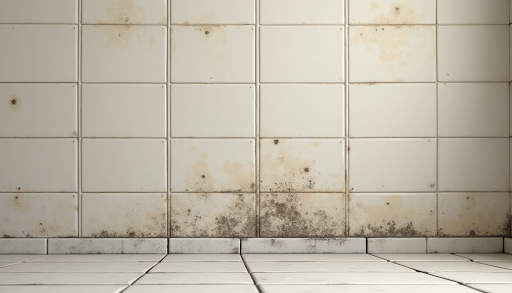
The BEST Way To Steam Clean Your Grouts | Alamo Steam Team
If you’ve noticed a musty smell in your bathroom or kitchen, or stubborn dark spots that keep coming back no matter how much you scrub, you might be dealing with more than just dirt, it’s tile molding. The real culprit could be hidden mold behind or beneath your tile. For San Antonio homeowners, where humidity and water leaks are common, mold can grow faster than you think.
At Alamo Steam Team, we’ve helped countless families discover and eliminate mold that was secretly damaging their homes. In this guide, we’ll show you how to recognize the warning signs of mold on your tile molding, what steps you can take, and when to call in the pros. We’ll also answer important homeowner questions like “how to tell if mold is behind tiles” and “what kills mold on grout.”
Why Tile Molding is a Serious Problem?
Mold doesn’t just look bad — it eats away at grout, weakens walls, and can trigger allergies or breathing problems. In many cases, mold isn’t sitting on the surface of your tiles but hiding underneath, feeding on moisture trapped inside your walls or subfloors.
Common Warning Signs Behind Tile Molding
While you can’t always see mold right away, your home often gives subtle hints.
- Strange odors – That earthy, damp smell is often the first giveaway.
- Discoloration that won’t go away – If your grout keeps darkening, it’s more than just dirt.
- Tiles pulling away from the wall or floor – Moisture and mold can weaken adhesives.
- Spongy walls or warped flooring – A sign mold has moved past the tile layer..
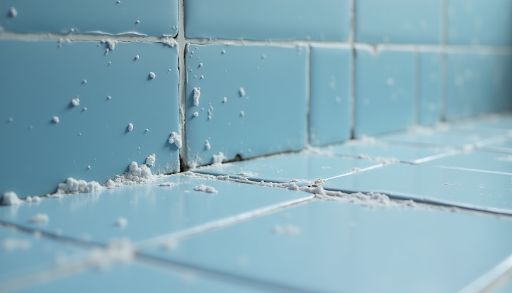
Signs You Have Molds In Your Tiles | Alamo Steam Team
DIY vs. Professional Mold Removal
While a quick scrub may clear away surface stains, deeper mold issues need expert care. Attempting to remove mold without the right equipment can actually spread spores into the air and worsen the problem.
“Trying to bleach away mold is like painting over rust — it looks gone, but it always comes back.”
That’s why deep cleaning professionals in San Antonio, TX, like Alamo Steam Clean, use specialized tools and safe cleaning solutions to eliminate mold at the source.
Preventing Mold Growth

Preventing Mold Growth in Your Home | Alamo Steam Clean
Keeping mold away is all about moisture control.
- Run exhaust fans in bathrooms and kitchens.
- Seal and re-seal grout to block water penetration.
- Wipe down wet areas after use.
- Fix plumbing leaks right away.
- Schedule professional deep cleaning at least once a year.
Conclusion
Hidden mold behind your tile isn’t just a cosmetic issue — it’s a silent threat to your home and health. By learning the signs and knowing when to call in help, you can stop mold before it spreads.
If you’re noticing odors, stains, or tile damage in your San Antonio home, don’t wait. Get a free quote from the trusted deep cleaning experts, for a safe inspection and same-day service that protects both your home and your family.
Frequently Asked Questions
How to tell if mold is behind tiles?
Signs include musty odors, loose or cracked tiles, persistent grout discoloration, or soft drywall. If in doubt, a professional inspection is the best way to confirm.
What does mold on tile look like?
Mold appears as black, green, or brown patches, often slimy or fuzzy, that return quickly after cleaning. It’s most common in grout lines.
How to check for mold under tile?
Tap tiles for hollow sounds, check for wall damage nearby, or schedule a professional moisture inspection. Alamo Steam Clean offers safe, non-invasive checks in San Antonio.
How do you test for mold on floors?
DIY kits exist, but professional testing provides more accurate results and ensures safe handling of spores.
How to stop mold from growing on tiles?
Keep surfaces dry, seal grout regularly, and improve ventilation. Routine deep cleaning with experts like Alamo Steam Clean adds an extra layer of prevention.
Can mold spores travel through floors?
Yes, spores can move through porous surfaces and air circulation, making quick remediation essential.
How does mold grow?
Mold needs moisture, warmth, and organic material to survive. Bathrooms, kitchens, and leaky areas are prime spots.
How to clean mold without spreading spores?
Wear protective gear, avoid dry scrubbing, and use mold-killing solutions. For larger infestations, call a professional.
What kills mold on grout?
Hydrogen peroxide, vinegar, and professional-grade cleaners can kill spores in grout. For stubborn growth, professional deep cleaning is most effective.
Will mold go away on its own?
No, mold will continue to spread until moisture issues are resolved and the spores are properly removed.
What causes mold in houses?
Leaky pipes, poor ventilation, flooding, and high humidity are the top causes. Local pros like Alamo Steam Team can help identify and fix the source while removing mold.